
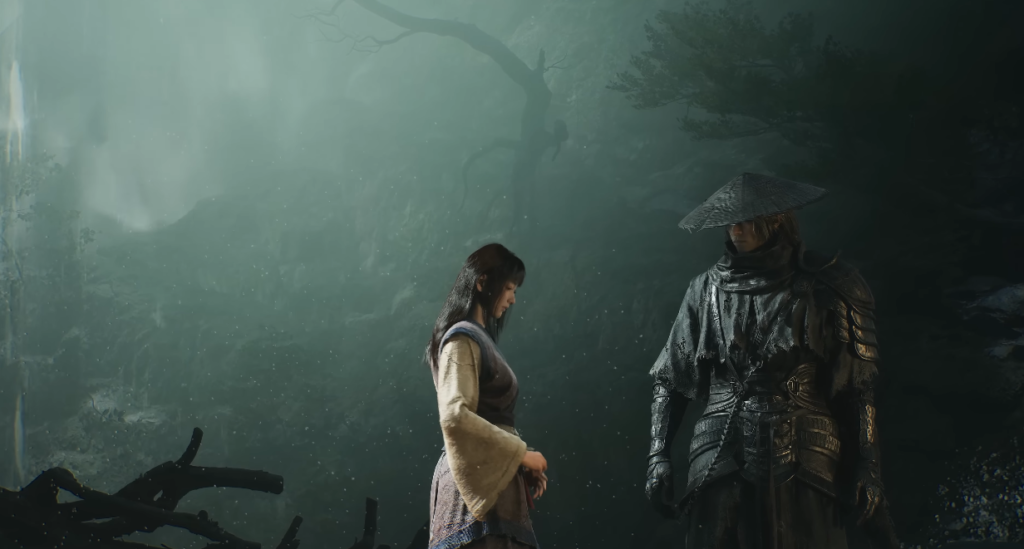
Introduction: Phantom Blade Zero is one of the most anticipated action RPGs of 2026, developed by Beijing studio S-GAME. Unveiled at PlayStation Showcase 2023, it promises a deep, dark art style and fast-paced combat set in a kungfupunk world. You play as Soul, an elite assassin of the secretive Order who is betrayed and cursed to die in 66 days unless he unravels the conspiracy against him. This review dives into everything we know about Phantom Blade Zero its sweeping wuxia-inspired narrative, intricate gameplay mechanics, innovative features, and the cinematic flair that makes it stand out.
Wuxia Story & Setting
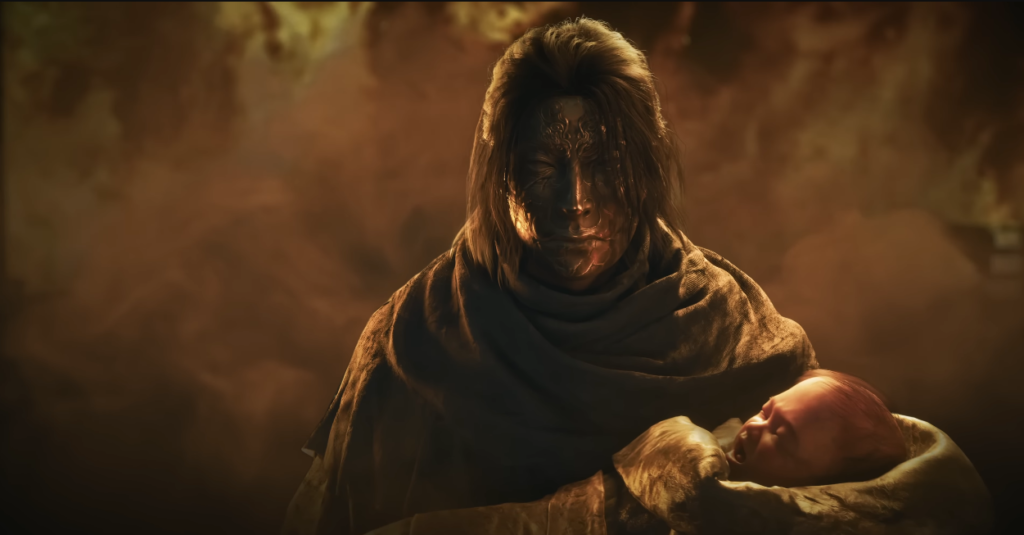
Phantom Blade Zero is steeped in wuxia lore and Chinese mythology. It takes place in the Phantom World, a Ming-dynasty-inspired universe rife with steampunk and supernatural elements. This kungfupunk setting (a blend of kung fu and punk aesthetics) is filled with intricate machines, occult arts and mysterious powers. The game’s narrative follows Soul as he navigates the jianghu (martial artist society) outside imperial control. He is the archetypal Eastern xiake hero “cold on the outside, but warm and hot inside” fighting to help the weak despite having only 66 days to live.
The plot unfolds as Soul hunts his former allies and unravels a world-ending conspiracy after being framed for his master’s murder. Along the way, players will encounter shifting loyalties, monstrous foes, and echoes of past lives. Multiple endings (the main story reportedly has eight distinct conclusions influenced by side quests) suggest a rich narrative depth. S-Game emphasizes “the highest standard of martial action” alongside a deep and authentic interpretation of Xia (Chinese heroism) in the storytelling. This means the game not only promises gripping combat but also a lore-rich journey through a mythic, noir-like China.
Fast-Paced Combat Mechanics
At its core, Phantom Blade Zero is a fast and fluid action RPG. Combat draws heavily from classic Hong Kong martial arts cinema lightning-fast strikes, acrobatic dodges, and exhilarating finisher moves. The developers even brought on veteran action director Kenji Tanigaki (famous for iconic kung fu movie fight scenes) to choreograph each move by hand. Every slash and kick you see is a handcrafted animation, avoiding artificial speed-ups for a truly authentic feel.
Key gameplay mechanics include:
- Dual Weapon Loadouts: Soul can wield two primary blades and two secondary “phantom edges.” Primary weapons are swords with a special Power Surge ultimate move each. Secondary weapons range from rifles and lances to axes and hammers. You can swap between weapons on the fly, letting you mix and match styles mid-combo. This vast arsenal ensures each fight feels fresh.
- Combo Chain System: The game’s combat features an “Combo Chain” system designed to look intricate but be easy to execute. By stringing together light and heavy attacks and using precise timing, you unleash flowy martial arts combos that feel satisfying and cinematic.
- Offense & Defense Balance: Players can dodge, parry, and block incoming attacks. Some enemy moves are unblockable, prompting smart use of dodges and parries. Parrying a particularly strong strike or dodging a heavy blow triggers a flashy “ghost step” that teleports Soul behind the enemy for a critical counter. Combat involves alternating between offense and defense much like a strategic dance. Boss fights especially reward careful reading of attack patterns.
- Resource Management: A energy resource called Sha-Chi governs special attacks and heavy strikes. Managing Sha-Chi (through attacking and parrying) is key to triggering Soul’s ultimate moves and stunts.
- Character Progression: As an ARPG, there is a skill tree and upgrade system. Defeated bosses drop new weapons and unlock abilities. Upgrading blades unlocks new moves. You’ll unlock new stances, acrobatics, and secrets as you progress.
- Difficulty Modes: The game offers multiple difficulty settings. At normal level, combat is challenging but approachable (more “Souls-lite” than punishing). On easy, players can focus on spectacle; on higher levels, the AI and mechanics become more unforgiving.
Overall, the combat is deep yet approachable. Reviewers call it “incredibly engaging without being unfairly challenging”. It rewards mastering timing and combining light/heavy attacks to extend combos, but without the punishing difficulty of, say, Sekiro on default. In fact, S-Game described Phantom Blade Zero as a “Souls-lite” experience taking the best features of modern action games and action-RPGs to offer “an intense experience that is as pleasing to the eye as it is incredibly fun to play”. Expect furious boss battles (as showcased by trailers featuring multi-stage duels against the fearsome Seven Stars disciples) that are epic in scale yet fair after a few tries.
- Boss Battles: The trailers highlight over-the-top boss fights. For example, Soul takes on the Chief Disciple of the Seven Stars and a grotesque puppet-possessed monstrosity. In demo impressions, fights against massive foes (like Wan Jun “Coppermaul”) were intense but manageable once you learn the patterns. These encounters showcase the game’s silky animations and give Soul all the flashy tools needed to fend off hordes of enemies in dramatic style.
- Exploration: Though action-packed, Phantom Blade Zero isn’t just one long corridor of fights. It features a semi-open world with nonlinear level design. Early demos at Gamescom revealed levels with an “eastern feel” and many branching paths, hidden items, and optional enemies. Players use Soul’s impressive agility wall-climbing, grappling, and parkour moves to explore. Traversal feels smooth and intuitive, thanks to the detailed animation work. Some areas might be blocked until you find the right weapon or skill, encouraging backtracking and exploration.
Key Gameplay Features:
- Deep combo-based martial arts combat with light/heavy attacks and finishers
- Multiple weapon types (swords, ranged, heavy) that can be swapped for combo variety
- Parry/dodge mechanics and “ghost step” counters for cinematic counters
- Boss fights that pit Soul against many foes or towering monsters, requiring strategy and fluid movement
- Semi-open levels with nonlinear paths, side quests, and secrets
- Narrative-driven progression, including eight distinct endings influenced by choices.
Visuals and Art Style
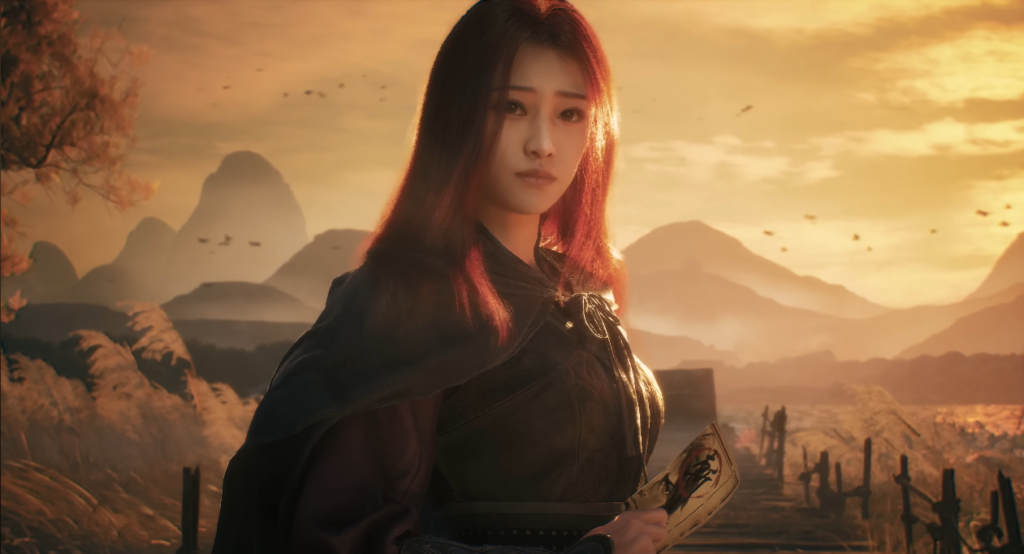
Phantom Blade Zero boasts a stylized, cinematic visual presentation. The art direction is “deep and dark”, emphasizing moody, high-contrast lighting, bamboo forest ambushes, rain-slicked rooftops, and shadowy temples. Characters wear ornate, wuxia-inspired armor and weapons, while environments blend classical Chinese architecture with steampunk machinery. The developers call the look “Kungfupunk” a mix of gritty martial arts aesthetics with vibrant punk energy.
Scenes from trailers show Soul leaping between spinning fans or slashing through armored demons with sparks flying. The Unreal Engine 5 tech provides dynamic lighting and particle effects (blood, mist, embers) that make each strike feel weighty. Animations are another highlight fights are choreographed like movie sequences thanks to meticulous mocap work. We can expect the game to look like a playable kung fu film: dramatic close-ups, slow-motion counters, and sweeping crane shots during key combat moments.
The world design underscores its grim tone. Developers deliberately chose a dark, bleak palette so that Soul’s heroism pops against it. You’ll trek through decaying villages, war-torn battlegrounds, and eerie ruins, all filled with occult glyphs and mechanical contraptions. When Phantom Blade Zero goes on sale in September 2026, it should deliver a visual style reminiscent of classics like Feng Shui-era Hong Kong action films and modern wuxia cinema.
Innovation and Unique Features
Several elements set Phantom Blade Zero apart from typical ARPGs:
- Kungfupunk Genre: By blending traditional wuxia with steampunk and cyberpunk trappings, the game carves out a niche genre it calls kungfupunk. The lore and aesthetics draw on Chinese myth and martial arts in ways Western games rarely do.
- Cultural Authenticity: The dev team immersed themselves in Chinese martial arts history, consulting masters from Shaolin Temple to Emei Mountain to Southern Lion dance troupes. Every combat move is rooted in kung fu technique. This dedication aims for an action experience unlike typical fantasy hack-and-slash. You’re literally executing choreographed kung fu movie moves.
- Narrative Scope: The game’s 66-day mechanic adds urgency to the story, a twist not seen in most ARPGs. And with eight possible endings and branching side quests, it encourages multiple playthroughs.
- Hybrid World Design: Instead of one giant open world, Phantom Blade Zero offers interconnected semi-open maps. Each area is hand-crafted and packed with secrets. This approach is intended to balance the freedom of open-world exploration with the curated intensity of linear levels.
- Multiplayer and Modes: According to developer Q&A reports, plans include multiplayer dungeons, boss rush mode, and roguelike challenges. These suggest extra replay value beyond the main story (note: specifics may evolve, but it shows ambition).
These innovations all come together in trailers that flaunt “spectacle and storytelling.” For example, the Release Date Announcement trailer (September 2026 date) showcases cinematic story moments burning letters, flashbacks of Soul’s master, lush forests alongside brief combat snippets. The contrast of graceful narrative shots and brutal fights hints at a game that values both story and spectacle.
Comparisons to Other Games
Gamers inevitably compare Phantom Blade Zero to titles like Ghost of Tsushima, Sekiro, and Devil May Cry and for good reason. The developers themselves describe it as “Ghost of Tsushima meets Devil May Cry”, highlighting its mix of open-world style swordplay and high-octane combos.
- Ghost of Tsushima: Like Tsushima, PBZ features a historical Asian setting, an honorable protagonist, and dynamic exploration. The semi-open design with multiple paths and optional content is reminiscent of Tsushima’s castle sieges and shrines. Also, Tsushima’s cinematic cutscenes and lush environments find echoes in PBZ’s storytelling.
- Sekiro: Shadows Die Twice: The comparison comes from the parry-focused combat and stiff challenge. However, PBZ is less punishing. Previewers note that while Sekiro is famously unforgiving, Phantom Blade Zero on normal difficulty is engaging “without being extremely punishing in the vein of Sekiro”. Both games reward skillful parries and timing, but PBZ layers in the flexible combo system to ease flow.
- Devil May Cry / Ninja Gaiden: In terms of pure spectacle and combo variety, PBZ leans more toward action games like DMC. The devs cite those franchises as inspirations for its brisk “action fest” of moves. If DMC gives you flashy multi-hit combos in a modern Gothic setting, PBZ offers a similarly over-the-top experience in a Wuxia context. The emphasis on performing long combo chains (even as a soulslite game) puts it in line with those high-energy slashers.
Importantly, despite these influences, PBZ remains uniquely its own. Its Chinese cultural roots and kungfupunk identity make it stand out from any directly comparable game. If Tsushima is feudal Japan and Sekiro is samurai folklore, Phantom Blade Zero is classic wuxia myth brought to life.
Verdict: Cinematic Action Worth the Wait
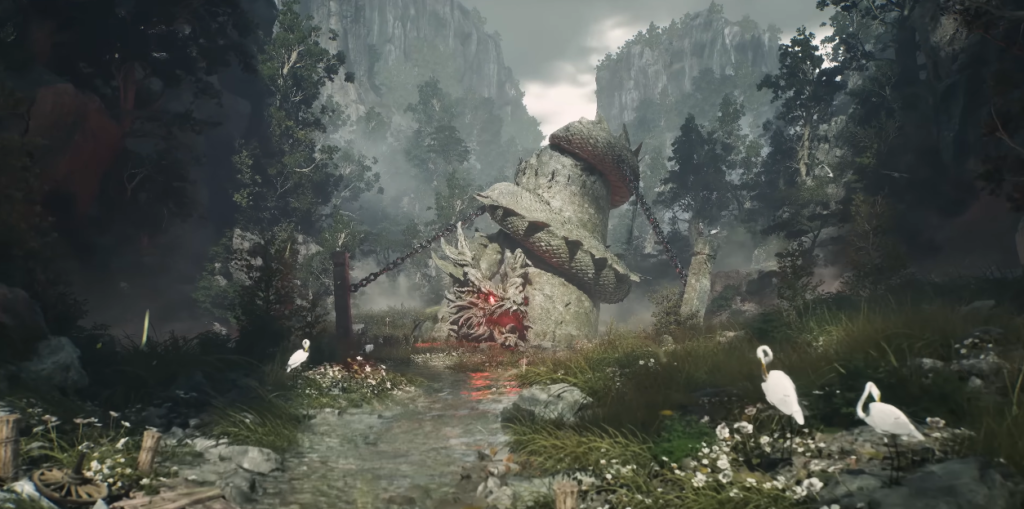
Based on trailers, previews, and developer interviews, Phantom Blade Zero looks poised to be a standout action RPG. It combines “exhilarating” kung fu combat with rich storytelling. Early hands-on impressions praise its satisfying combat fluidity, extensive weapon variety, and engaging boss fights. The focus on authentic martial arts and cinematic presentation gives it a distinctive flair.
For fans of cinematic action games, Phantom Blade Zero promises to deliver a martial-arts spectacle with depth. Whether you approach it as an ARPG or an action game, its mix of wuxia narrative, innovative kungfupunk style, and adrenaline-fueled gameplay should keep you enthralled. With a release date set for September 9, 2026 on PS5 and PC, the only question is whether it can live up to the hype. From what we’ve seen and played at events, Phantom Blade Zero is off to a very promising start in that direction.
Sources: Insights are drawn from developer interviews and previews of Phantom Blade Zero, combining gameplay footage analysis with official descriptions and journalistic reports.
- https://seasonedgaming.com/
- https://www.youtube.com/
- https://www.gamingbible.com/
- https://www.rpgsite.net/
- https://wccftech.com/




每天都在战争,希望2026和平.