In recent years, independent (“indie”) game developers have taken the gaming world by storm. Once the playground of big-budget studios, game design is now being reshaped from the ground up by small teams and solo creators. Today’s indie hits from the block-building Minecraft to narrative gems like Undertale prove that big ideas don’t need big budgets. For example, Minecraft began as a lone developer’s passion project and went on to sell over 200 million copies worldwide. This meteoric rise shows how indies can challenge the status quo. In this article we’ll explore how indie developers innovate in gameplay, storytelling, art, monetization, and community engagement, spotlighting examples and trends that even AAA studios now follow.
Innovative Gameplay Mechanics
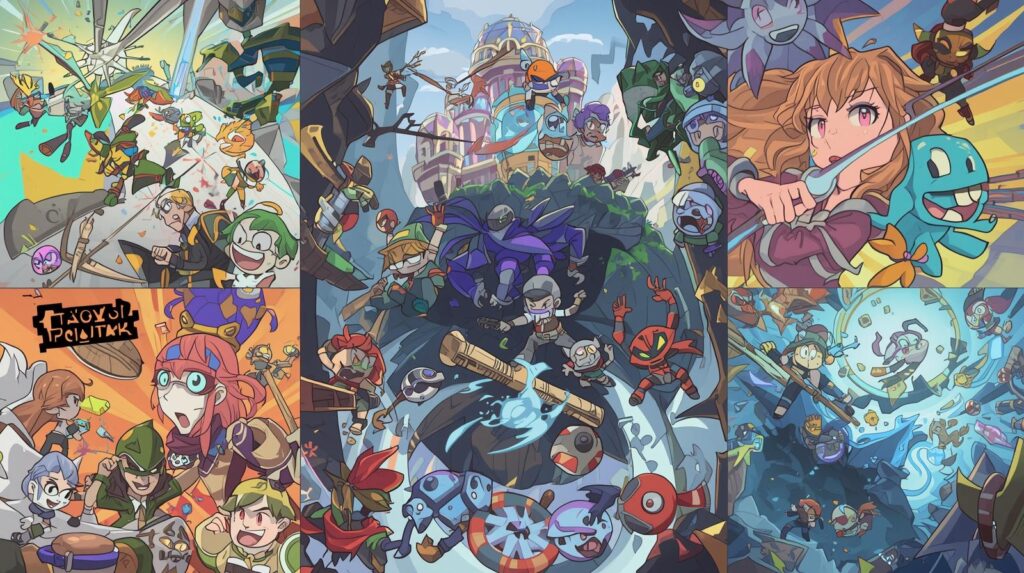
Indie developers thrive on experimentation. Freed from the constraints of large publishers, small teams implement unconventional mechanics that often become genre-defining. As one industry writer notes, indies have “freedom to experiment with unconventional ideas, narratives, and gameplay mechanics,” leading to truly fresh experiences. For instance, Braid introduced time-manipulation puzzles, and The Stanley Parable turned narrative itself into gameplay. Games like Celeste deliver tight, responsive platforming physics (influencing countless later titles), while Hades wrapped deep storytelling into the roguelike formula. Even design-heavy tools emerge from indie creativity: No Man’s Sky used procedural generation to create an effectively infinite universe, and sandbox sims like RimWorld let emergent player-driven stories unfold.
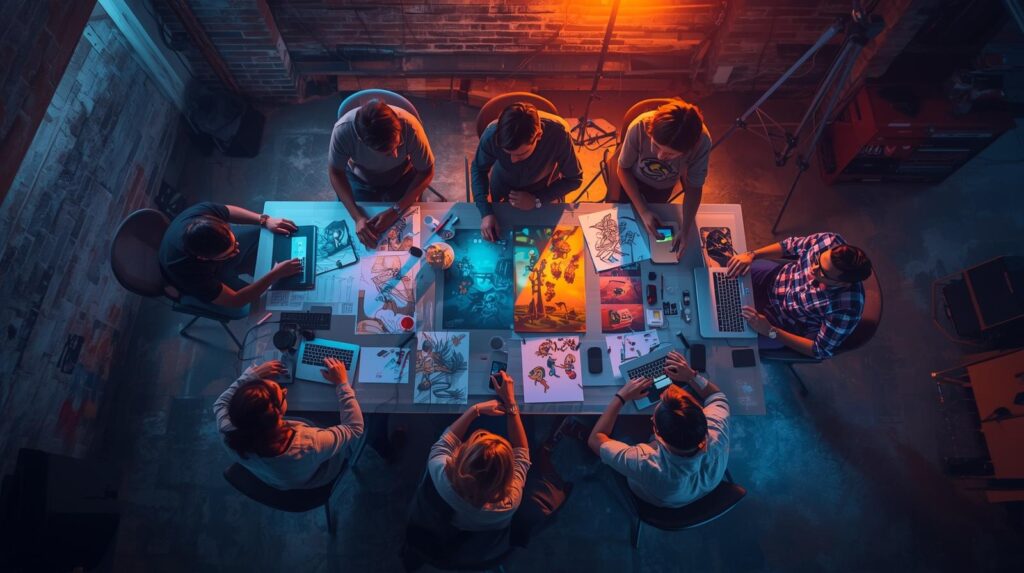
Late-night coding and late-night playtesting are par for the course in indie development. By pushing gameplay boundaries, indie teams turn novel ideas into engaging games. As one source observes, titles like Celeste and Hollow Knight “showcase unique approaches to level design and character interaction” that captivate players. These experimental mechanics prove that even small teams can drive the medium forward. In short, indie games often lead the way with game design innovation rethinking fundamental rules and giving players surprises that big franchises rarely attempt.
Immersive Storytelling and Themes
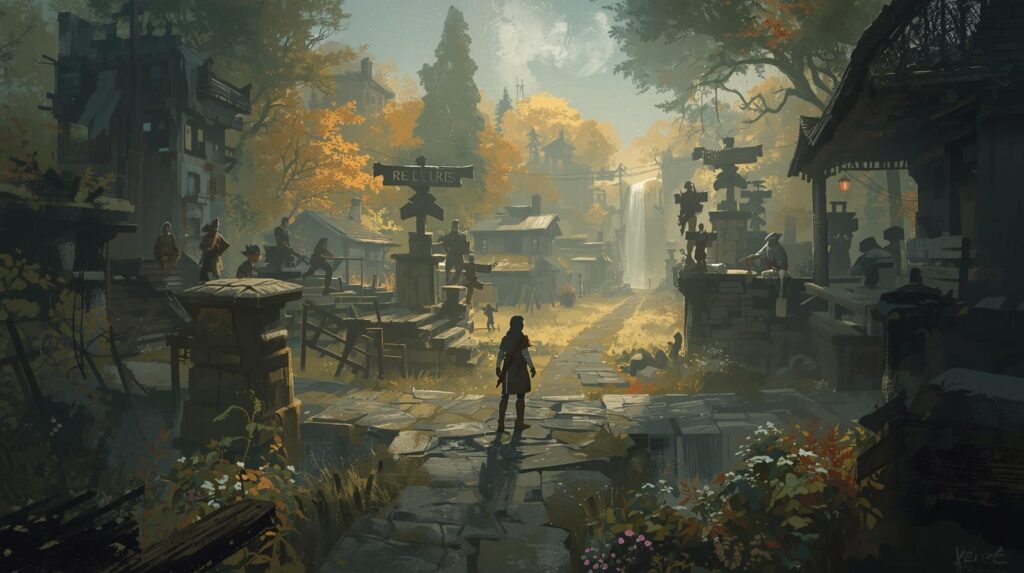
Indies also shine in narrative creativity. Many indie games tackle personal or unconventional stories that big-budget games tend to overlook. They bring emotional depth, diverse perspectives, and innovative narrative structures to players. For example, Undertale earned praise for its charming, choice-driven tale that breaks the fourth wall, and Celeste pairs demanding platforming with a poignant story about anxiety and perseverance. Titles like Papers, Please transform bureaucratic checkpoint work into a moral adventure; reviewers called it an “empathy game” and even “video games as an art form” for its emotional impact. Other indies weave story directly into gameplay: narrative-driven games like Firewatch and What Remains of Edith Finch craft moving tales that unfold through exploration.
In effect, indie developers often create narratives from the heart tackling themes like identity, diversity, and mental health in ways that resonate. As one analysis notes, indie teams “explore narratives and themes that mainstream games may overlook,” including voices from underrepresented groups. This storytelling freedom lets indies connect with players on a deeper level, often inspiring larger studios to try more ambitious narratives themselves.
Art Direction and Visual Creativity
On the visuals front, indie games are hotbeds of stylistic innovation. Limited budgets push designers to use distinctive art styles rather than photorealism and that constraint becomes strength. Some indies go boldly hand-drawn: Cuphead and Hollow Knight stunned players with elaborate, hand-animated 2D art. Others embrace pixel or minimalist design: Stardew Valley and Alto’s Adventure use simple graphics to charming effect, proving that a clear visual theme can be more powerful than flashy effects. In fact, without large art teams, developers “with limited ability to create graphics can rely on gameplay innovation” so many indies turn creativity inward, inventing unique palettes, silhouettes or mixed-media looks that stand out.
Even when using modest tools, indie artists create memorable worlds. Look at Celeste’s vibrant mountain backgrounds or Gris’s watercolor style each communicates mood in a way big studios can envy. According to industry resources, indie art trends include everything from retro-inspired 8-bit graphics to collage-like mixed media. These distinctive visuals not only capture player attention but also demonstrate that artistic vision trumps budget in making a game memorable.
Monetization and Business Models
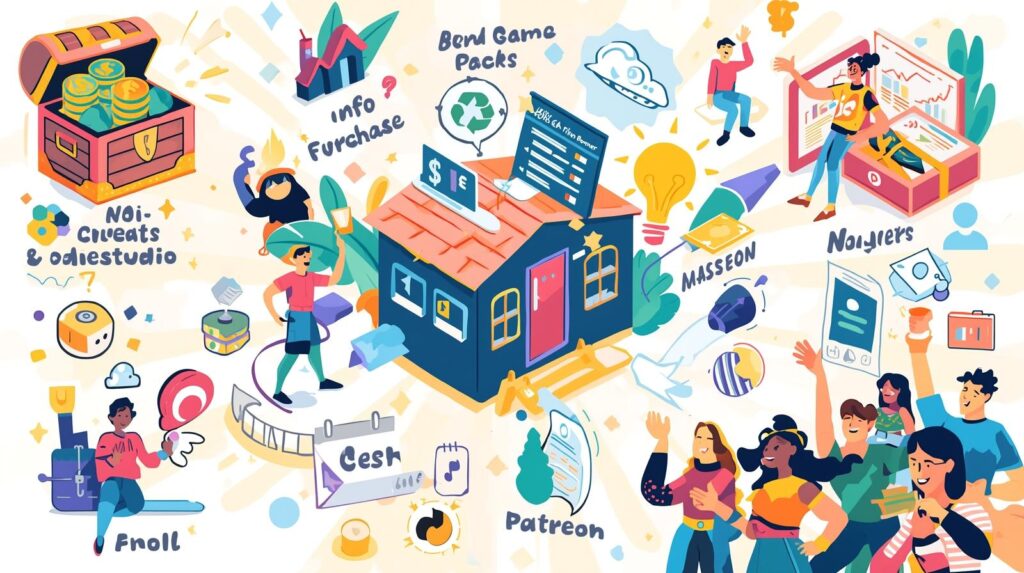
Indie studios have also pioneered alternative business models. Rather than relying solely on big publisher funding or aggressive microtransactions, indies experiment with diverse revenue streams and community-driven support. For example, many sell games as one-time purchases and then offer optional expansions or cosmetic DLC to fund ongoing development. Others embrace the free-to-play model in tasteful ways: games like Fortnite and Genshin Impact (not indie by developer size, but sharing indie spirit) show how optional in-app purchases can widen a game’s audience without locking content. Small teams frequently turn to crowdfunding or patronage platforms to finance creation and engage fans directly. Platforms like Patreon let developers offer exclusive updates and behind-the-scenes access in exchange for regular support.
- Diverse revenue streams: Many indies fund continued development through add-ons (cosmetics, expansions) rather than paywalls.
- Free-to-play with optional buys: Some indies use free initial access and optional IAP (as seen in Fortnite/Genshin) to grow their player base.
- Crowdfunding & patronage: Kickstarter, Patreon, and early-access sales allow devs to raise money while building a community around the game.
By balancing passion with smart monetization, indie devs maintain creative control and connect directly with paying fans a model that’s even influencing how bigger games approach funding.
Community Engagement and Crowdfunding
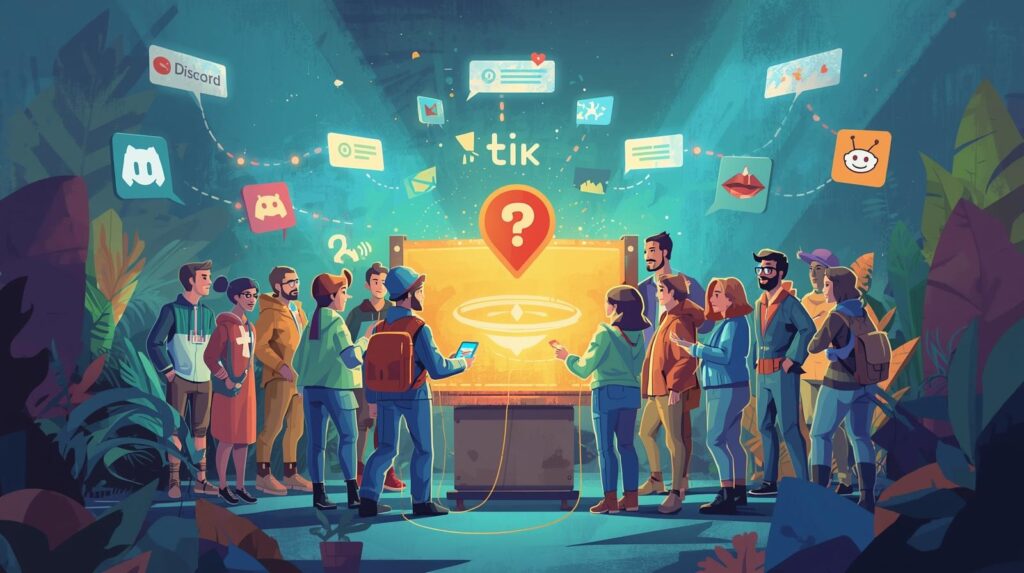
A hallmark of the indie scene is close community engagement. Indie creators often involve players from day one, using crowd-sourced funding and social platforms to co-create the journey. Crowdfunding sites (Kickstarter, Fig, etc.) have enabled many indie dreams to come true; as one source notes, these platforms allow developers to “finance their projects through community support” and build an early fan base. This direct line to fans continues post-launch on Discord, Reddit, and other forums, where players can report bugs, suggest features, or even mod the game.
This image shows gamers gathered and excited around a computer the same kind of grassroots enthusiasm indie devs harness. Indeed, indie games often breathe and grow through their communities. Minecraft, for example, “spawned a giant community” of modders and YouTubers sharing creations and tutorials. Social media and livestreams (Twitch/YouTube) have similarly boosted titles like Among Us, which suddenly saw celebrities and casual players alike diving into its gameplay. In short, indie teams cultivate loyal fanbases by interacting openly responding to feedback, involving players in beta tests, or releasing frequent updates. This engagement loop not only improves the game but also turns players into vocal advocates, a grassroots marketing power many AAA titles envy.
Examples of Influential Indie Titles
Some indie games have outright reshaped the industry. Consider these breakthrough examples:
- Minecraft (2009): A sandbox block-builder that started as Markus “Notch” Persson’s indie project and became the best-selling game ever. Its open-ended creation mechanics have inspired countless games and even influenced major brands.
- Undertale (2015): A self-funded RPG whose quirky characters and moral-choice combat system charmed millions. It’s praised for using meta-narrative and humor to deepen player engagement.
- Hades (2020): A roguelike action game from Supergiant Games (an indie studio) that won multiple Game of the Year awards. Its tight gameplay loop and evolving story showed indies could match AAA polish.
- Stardew Valley (2016): A farming simulator made by one person, which cultivated a massive fan following. This pixel-art gem proved a solo developer could rival long-running franchises with charm and community support.
Each of these titles not only achieved blockbuster popularity, but also inspired other developers. For example, Celeste’s assist mode (for accessibility) and Stardew Valley’s feedback-driven updates are now standard considerations in game design. As one analysis of indie trends points out, successes like these have shown “indie games can rival and sometimes surpass AAA blockbusters in popularity and cultural impact”.
How Indies Influence Mainstream Game Design
The ripple effect of indie innovation is clear in major game development trends. Big studios increasingly adopt ideas pioneered by indies. Subscription services and digital stores now showcase indie titles alongside blockbusters, and AAA games themselves are borrowing indie features. For instance, creative sandbox modes in Super Mario Maker and Fortnite’s building are echoes of the open-ended play first celebrated by games like Minecraft. Emotionally-driven narrative techniques once indie territory appear in titles like Telltale’s series or even blockbuster adventures.
According to industry experts, the “success of indie titles often inspires larger studios to invest in unique ideas and gameplay mechanics”. Even the line between indie and AAA is blurring: some studios branded as “indie” have grown into mid-sized companies, while major publishers have launched indie-friendly labels or incubators. As one industry write-up notes, big companies are now explicitly “inspired by indie creativity”. In other words, indies set a creative benchmark. When an indie game nails an idea, it quickly becomes part of the mainstream conversation.
Challenges Indie Developers Face
Of course, the indie path isn’t easy. Low budgets and small teams mean every decision is critical. Funding is often the first hurdle without publisher backing, developers must scrape together money via savings, part-time jobs, or crowd campaigns. Discoverability is another major issue: as one source warns, with thousands of games launched each year, “standing out in an increasingly crowded marketplace” can be very difficult. Indie devs also tend to wear all hats (programming, art, marketing), which can lead to burnout. According to industry surveys, many indie creators report stress from long development cycles and PR demands. For example, even a smash hit like Among Us caused severe burnout for its tiny team when it suddenly exploded in popularity.
Yet indie teams find ways to overcome these hurdles. Creative marketing (viral social media, influencer outreach) and community-building go a long way in rising above the noise. Platforms like Steam Early Access or itchio help by letting players find and fund games in progress. Crowdfunding not only raises cash but also validates ideas. And collaborative events (game jams, indie expos) create visibility. In the end, many indie developers see limitations as opportunities to innovate reinforcing the idea that necessity (or a tight budget) is the mother of invention in game design.
Conclusion
Ultimately, indie developers continue to inject passion and originality into gaming. They remind players and the industry why games are fun: first and foremost, they tell stories and offer experiences that matter. As one industry analysis puts it, “the impact of indie games on the gaming landscape cannot be overstated” these titles are actively reshaping how players engage with interactive entertainment. With each new indie hit, gamers get fresh mechanics, heartfelt narratives, and bold art. The success of indie devs proves that creative vision can triumph over budget constraints. If you’re intrigued by gaming’s cutting edge, dive into the indie scene: it’s rich with innovative ideas and welcoming communities. Indie developers are not just creating games they’re leading the charge toward a more diverse, vibrant future for the entire industry.
Sources: Industry analyses and reports on indie game development trends
- https://medium.com/
- https://indiegameacademy.com/
- https://en.wikipedia.org/
- https://gamespace.com/
- https://www.theverge.com/
- https://latestnewsnow.in/
- https://www.pcgamer.com/